Kingdom Blueprint
Free family toolkit

Little moments.
Meaningful connection.

When a hard moment leaves you unsure what to say, pick a question. Get a plain answer, words to try and a next step for home.

For parents and caregivers. Adapt each practice to your child’s age, communication style and needs.

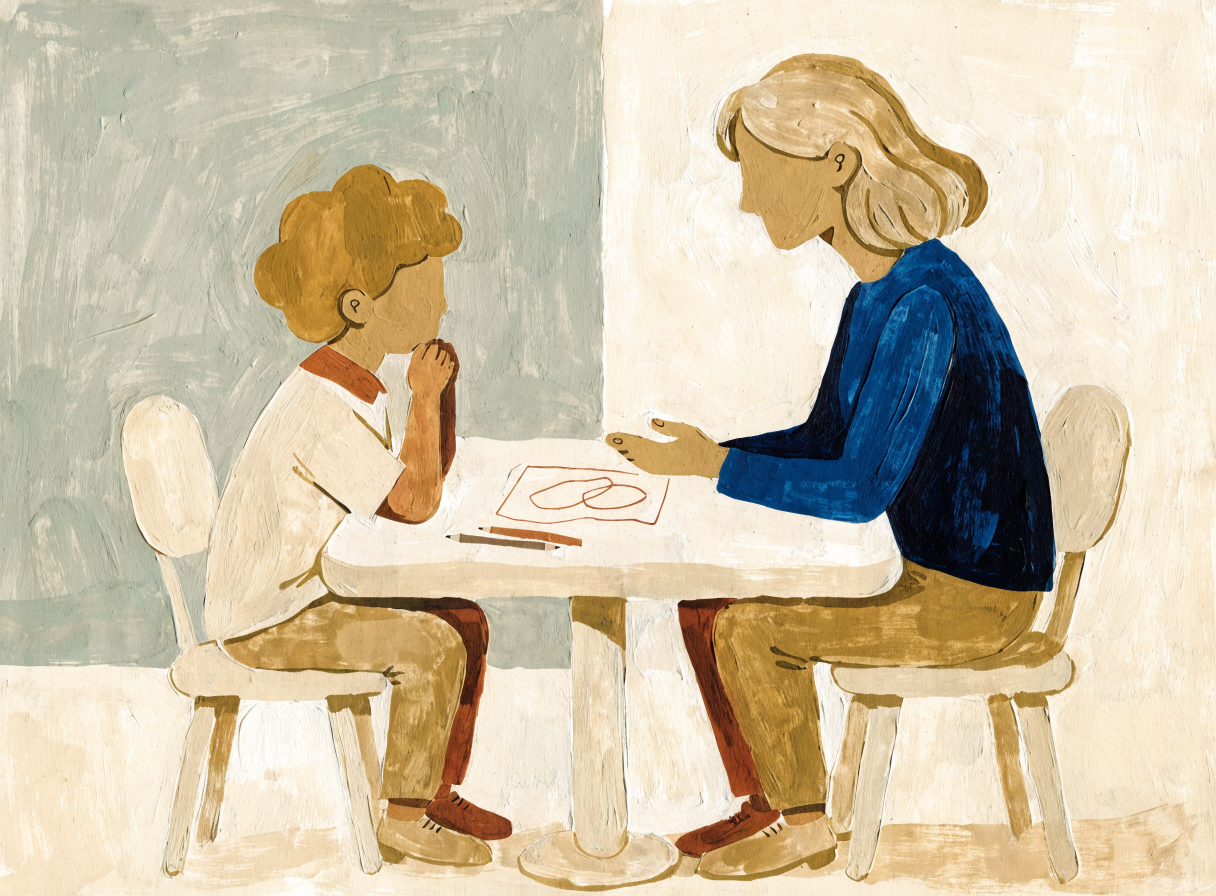
A mother listening while her child draws at a table
01 · Your questions checklist

What would help your family right now?

When you feel stuck, check the questions that fit. Your answers appear below. Open your guide to read, print or save everything you chose. No email or payment is needed.

Your next step at home

An answer you can use.

Your picks and note stay on this browser if storage is available. Your private note is not put in the link.

This note is for your conversation. It will not receive an automatic answer. Avoid names or private details about children.

Read my guide with this note
02 · The everyday parenting guide

A small practice for the next hard moment.

Choose one practice at a time. The examples below are original coaching prompts, informed by the linked parenting resources. They supplement the faith-based video program.

01

Pause before responding.

Notice your tone and body. If your child is being cared for, take a brief pause so you can respond deliberately. Return to the conversation rather than disappearing from it.

Try saying: “I want to listen. I’m taking a moment, then we’ll talk.”

Parent reflection: What situation brings out a response I want to change?

02

Listen, then check.

Give your attention. Reflect what you heard and leave room for your child to correct you. Younger children may respond through play, drawing or a few words.

Try saying: “It sounds like you felt left out. Did I understand?”

Practice: Ask one question without adding a lecture.

03

Make a boundary clear.

Describe the behavior you need in simple terms. Keep the expectation realistic for the child’s age. Discuss a proportionate, nonviolent consequence you can follow through on.

Try saying: “Blocks stay on the floor. You can build here, or we can put them away for now.”

Practice: Agree on one expectation with other caregivers.

04

Notice the specific good.

Describe what your child did, instead of giving a vague label. Give encouragement for effort, kindness and the next small step.

Try saying: “You put the crayons back in the box. That helped us get ready.”

Practice: Name one helpful action you notice today.

05

Repair your part.

When you get something wrong, acknowledge your action without blaming your child. Restate the boundary calmly and explain what you will try next time.

Try saying: “I raised my voice. I’m sorry. The rule still matters, and I can say it respectfully.”

Practice: Keep the apology about your responsibility.

06

Invite faith, without pressure.

Offer a brief prayer, a Bible story or a question. Allow your child to pass. Bring your own deeper wound and forgiveness work to your coach or another appropriate adult support.

Try saying: “Would you like to pray together, listen, or take a quiet moment?”

Reflection references: James 1:19; Ephesians 6:4; Colossians 3:21.

If a shared session feels hard to picture, talk with your coach first. Plan around your child’s age, needs and willingness to join.
03 · Connection cards

Give everyone a little room to speak.

Choose one card at a calm moment. Take turns. Listening is enough; anyone can pass. For younger children, offer a drawing or two simple choices.

Notice

What was a good moment today?

Follow-up: “What made that feel good?”

Listen

What do you wish I understood?

Parent response: “Thank you for telling me.”

Connect

What could we do together this week?

Choose something small enough to actually do.

Repair

Is there something we need to try again?

Parents can start by naming their own part.

Encourage

What is one kind thing you noticed?

Describe the action, rather than comparing children.

Faith

What would you like us to pray about?

Invite a word, a drawing, listening, or a pass.

Your seven-day connection rhythm

One small practice each day.

Monday · Notice
Name one specific helpful action.

Tuesday · Listen
Ask a card question and reflect the answer.

Wednesday · Simplify
Clarify one family expectation.

Thursday · Connect
Share a short child-chosen activity.

Friday · Repair
Acknowledge one thing you want to do differently.

Weekend · Reflect
Invite a brief faith moment and choose next week’s one practice.

Missed a day? Pick up with one practice. This is a planning aid, not a scorecard for your family.

Further reading & source notes

Keep learning at your child’s stage.

The CDC Essentials resources linked here are intended for parents of toddlers and preschoolers, especially ages 2–4. Use age-appropriate support for older children. The American Academy of Pediatrics offers additional parent guidance.

These resources give education and coaching prompts. They are not personal clinical treatment.

Bring your questions into a real conversation.

When you still feel stuck after trying a step, bring that real moment to your coach. The free toolkit above stays free. Paid coaching adds private time to talk and practice with support.

5 private sessions

$1,000 USD · one-time

60 minutes each · VGC Week 2 replay

8 private sessions

$1,500 USD · one-time

60 minutes each · VGC Week 3 replay

10 private sessions

$2,000 USD · one-time

60 minutes each · both VGC replays

Each plan includes the parenting teachings, family tools, member portal and available recordings of your coaching sessions. VGC bonuses are recorded group coaching, separate from your private calls.

If you are unsure which plan fits, start with a free call. Already enrolled? Your existing session agreement stays in place. Check with your coach before buying again.